Stories · History
Why is the Philippines called the Philippines?
The short answer
The country is named after King Philip II of Spain. In 1543, a Spanish expedition led by Ruy López de Villalobos named the islands of Leyte and Samar “Las Islas Felipinas” in honor of Philip, who was then a teenage crown prince. The name later spread to the whole archipelago. Philip never saw the islands.
Whose name is it?
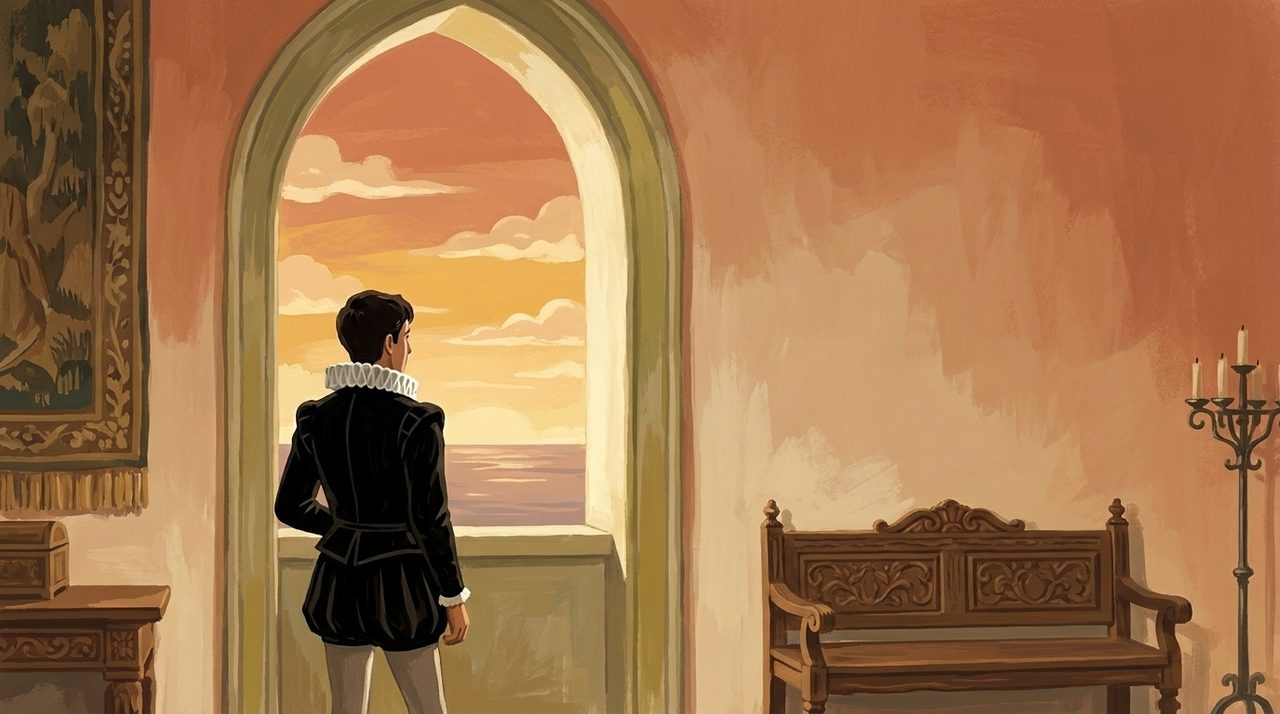
You say it every day. You write it on forms, you sing it, you cheer for it. Philippines. Pilipinas. But have you ever asked whose name that is? Because it is somebody’s name. It belongs to a Spanish teenager who, as far as we know, never set foot here.
Before “Philippines”
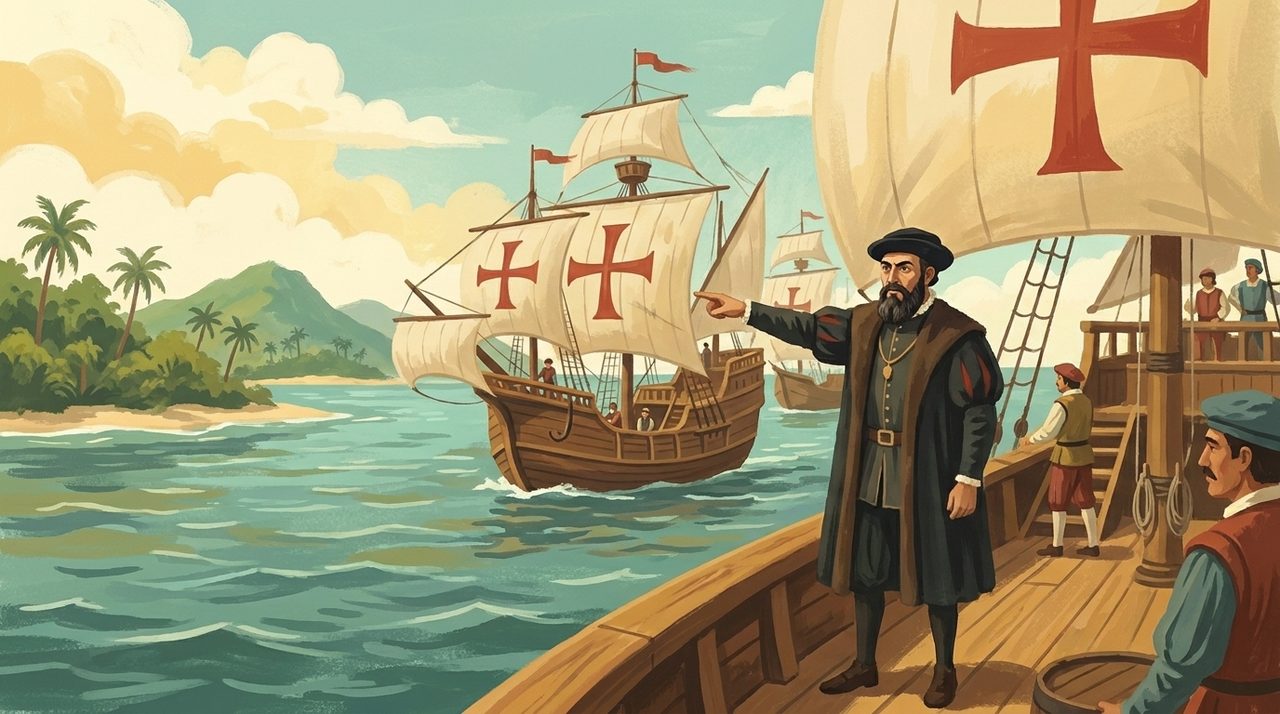
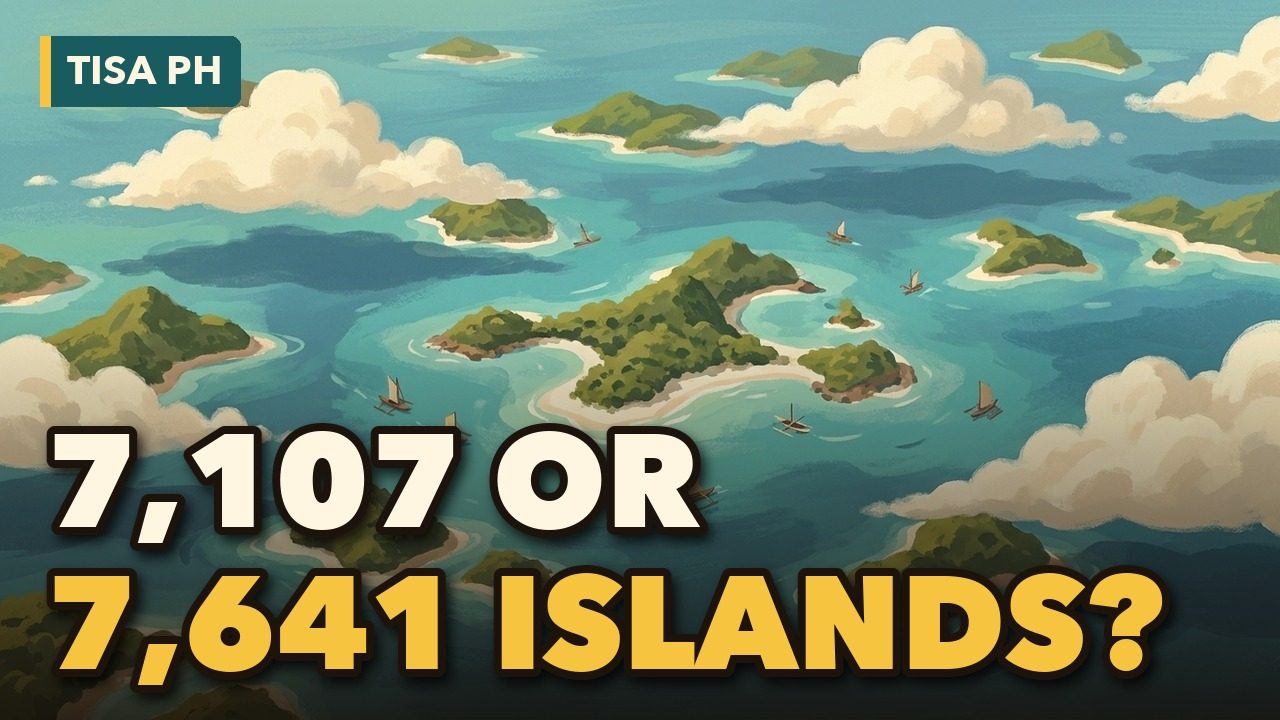
Long before that name, these islands were called other things. Chinese records from the year 971 mention a trading place called Ma-i, which is usually identified with Mindoro. And when Ferdinand Magellan arrived in 1521, he named the islands after a saint: the Islands of San Lázaro.
1543: Las Islas Felipinas
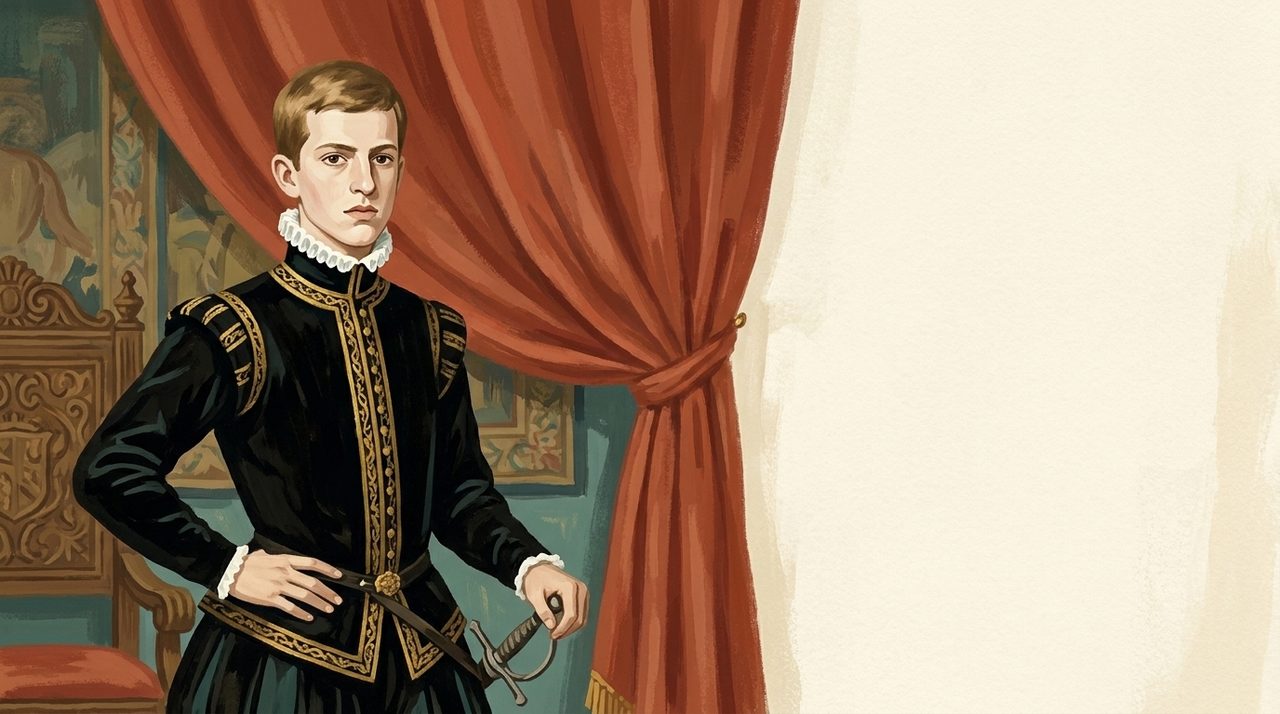
Then, in 1543, another Spanish expedition arrived, led by Ruy López de Villalobos. The expedition gave two islands, Leyte and Samar, a new name: Las Islas Felipinas. The islands of Felipe.
Felipe was the crown prince of Spain. He was about sixteen years old.
In 1556 he became King Philip the Second. He traveled to Italy, Germany, the Netherlands and England. But after 1559, he never left Spain and Portugal again. He never saw the islands that carry his name.
How the name spread
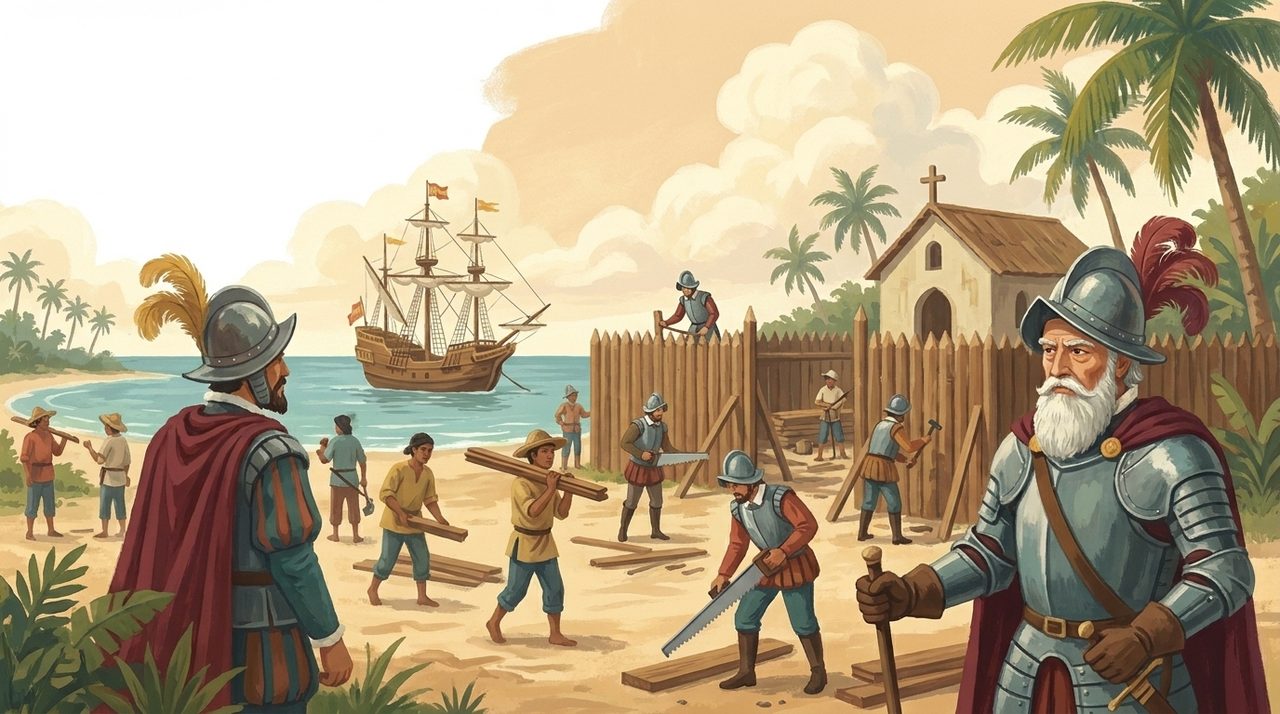
At first, the name covered only those two islands. But after Spain began colonizing in 1565 under Miguel López de Legazpi, “Filipinas” came to mean the whole archipelago.
Who was first called “Filipino”?
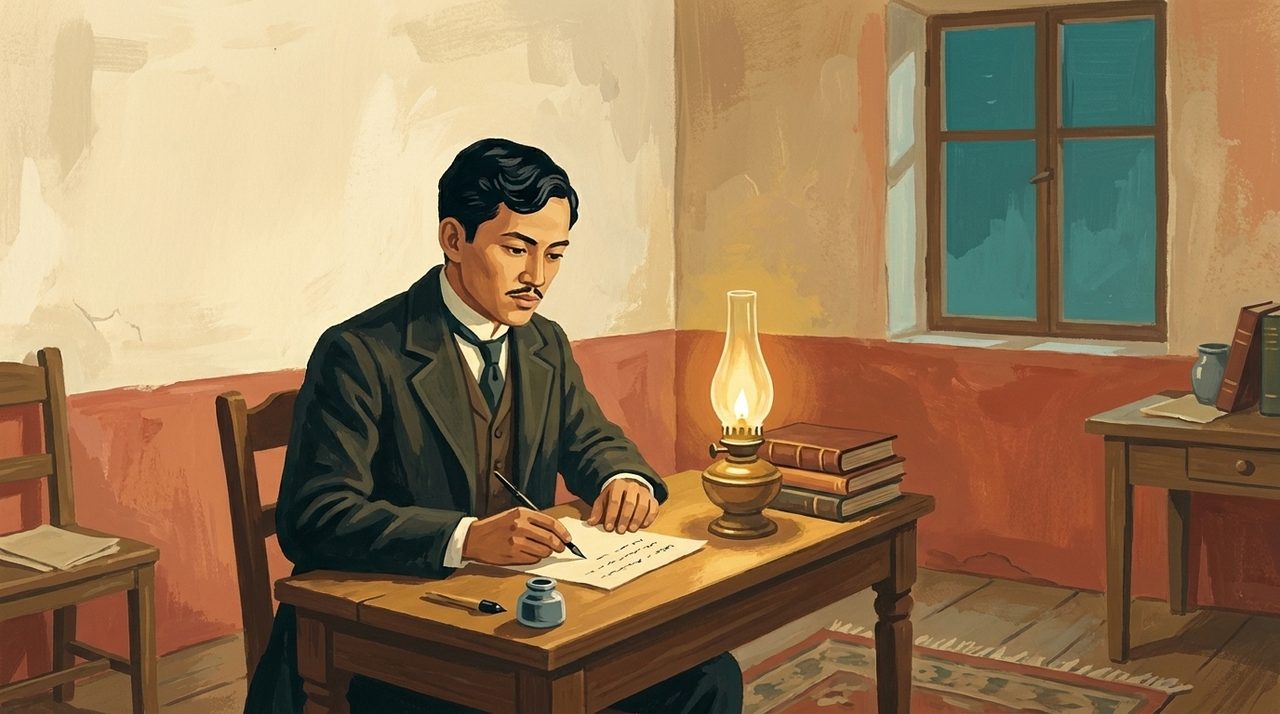
And the word “Filipino”? For much of the Spanish period, the people who lived here were usually called “indios.” “Filipino” was often used for Spaniards born in the islands. It was in the 1800s that writers like José Rizal and the ilustrados claimed the word for everyone born here.
Three official names
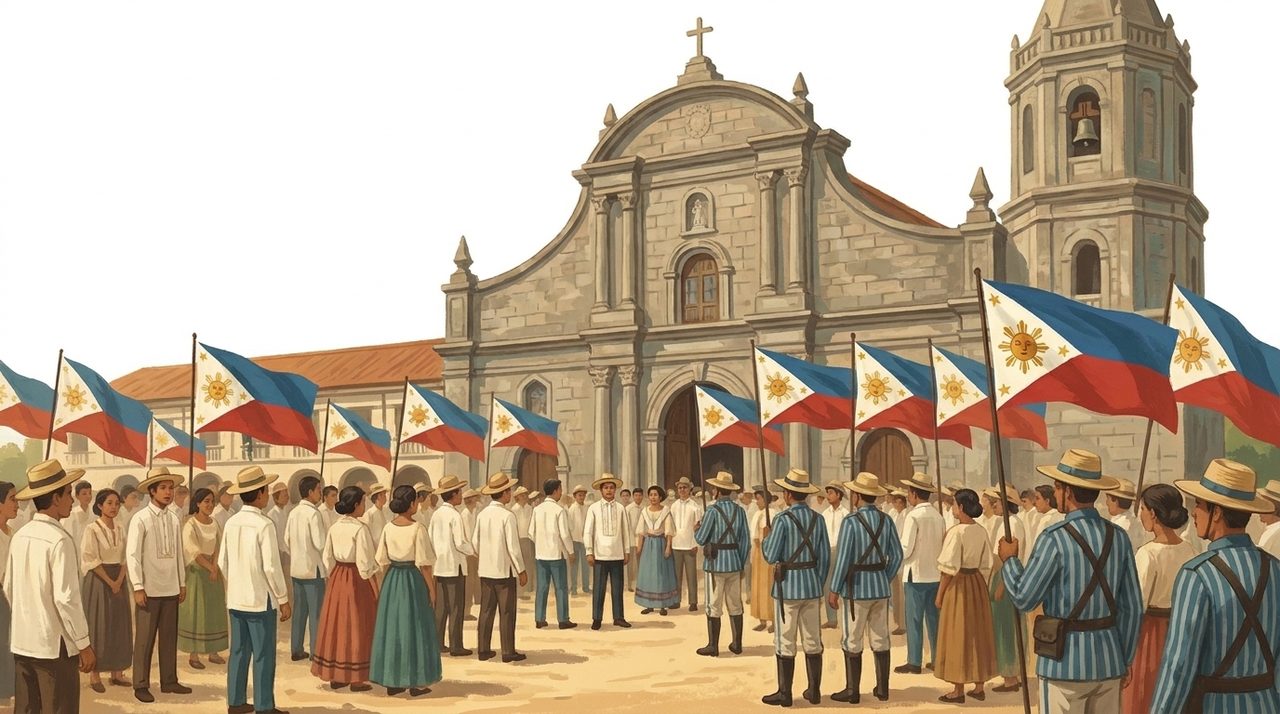
The name kept changing with whoever was in charge. In 1899, the first republic called itself República Filipina. The Americans said “the Philippine Islands.” And the 1935 Constitution gave us the name we use now: Republic of the Philippines.
Why “Pilipinas” with a P
Then there’s the spelling. Why “Pilipinas” with a P? Because the old Tagalog abakada, introduced in 1940, had only twenty letters, and F was not one of them. F came back into the alphabet decades later. In 2013, the national language commission even pushed to spell it “Filipinas” again. That idea was later dropped.
Maharlika, and the names we almost had
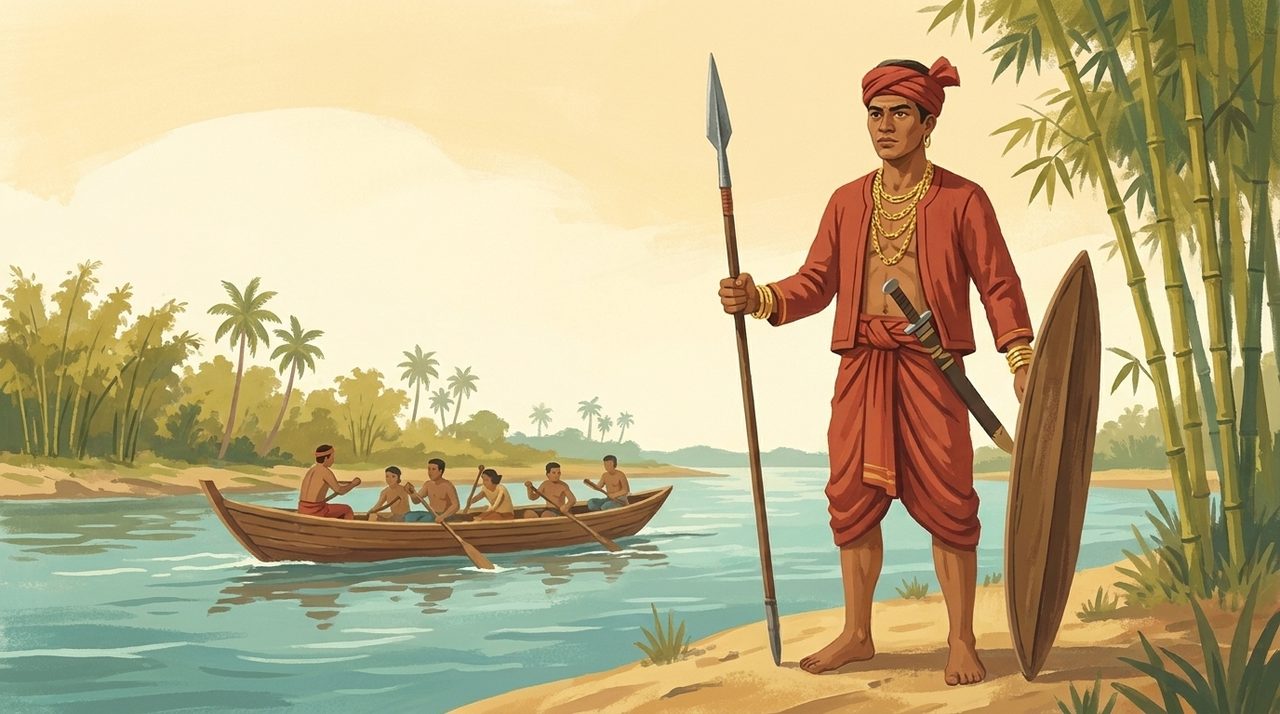
Some people wanted to drop the name completely. In 1978, a bill proposed renaming the country “Maharlika.” In 2019, President Duterte brought the idea up again. Many people think maharlika means royalty. Historians say it actually referred to a class of free warriors. Other names proposed over the years include Katagalugan, Rizalia, and even Luzviminda.
We are not the only ones
None of them stuck. And we are not alone: about two dozen countries are named after a person. Bolivia after Simón Bolívar. Colombia after Columbus.
So nearly five hundred years later, a whole nation still carries the name of a teenage prince from the other side of the world. But a name is only where the story starts. What “Filipino” means today was decided by the people who claimed it.
Key dates
- 971Chinese records mention a trading place called Ma-i.
- 1521Magellan names the islands after San Lázaro.
- 1543The Villalobos expedition names Leyte and Samar “Felipinas.”
- 1556Prince Philip becomes King Philip II.
- 1565Spanish colonization begins under Legazpi.
- 1899The first republic calls itself República Filipina.
- 1935The Constitution uses “Republic of the Philippines.”
- 1940The 20-letter abakada is introduced, without the letter F.
- 1978A bill proposes renaming the country Maharlika.
- 2013The national language commission pushes the spelling “Filipinas.”
- 2019President Duterte revives the Maharlika idea.
What we’re not sure about
- Who coined the name. Sources credit either Villalobos himself or a member of his expedition, Bernardo de la Torre. We say “the expedition.”
- Philip’s exact age. He was born on May 21, 1527, so he was 15 or 16 in 1543. We say “about sixteen.”
- Whether Philip ever came here. We found no record of it. His documented travels were to Italy, Germany, the Netherlands and England, and after 1559 he did not leave the Iberian Peninsula.
- Who “Filipino” first referred to. The common account is that it often meant Spaniards born in the islands. But a 1604 account by Pedro Chirino already used “Filipinos” for the native population, and historians disagree on who first widened the term.
- When the name covered the whole archipelago. There is no single date. It happened gradually after 1565.
- Some years. Sources give different years for when the letter F returned to the alphabet (1976 to 1987) and for when the “Filipinas” proposal was dropped (2021 or 2022), so we leave those years out.
Sources
- Wikipedia, "Names of the Philippines" en.wikipedia.org
- Wikipedia, "Ruy López de Villalobos" en.wikipedia.org
- Wikipedia, "Philip II of Spain" en.wikipedia.org
- Britannica, "Philip II" britannica.com
- Wikipedia, "Ma-i" en.wikipedia.org
- Wikipedia, "Filipinos" en.wikipedia.org
- Wikipedia, "Filipino alphabet" en.wikipedia.org
- Wikipedia, "Maharlika" en.wikipedia.org
- Wikipedia, "List of countries named after people" en.wikipedia.org
- Philstar (2013), on the KWF "Filipinas" resolution philstar.com
- Inquirer (2019), on the Maharlika proposal newsinfo.inquirer.net
Spotted a mistake? Tell us and we will fix it and say so.